
The short answer
Start looking around a year before your wedding if you can, and ask the boutique when your chosen dress needs ordering. A dress being made to order needs a different plan from one you can take home today. Leave time for alterations as well as delivery. If your wedding is much sooner, don’t panic: ask about in-stock and off-the-peg options, then check that an alterations specialist can fit you in.
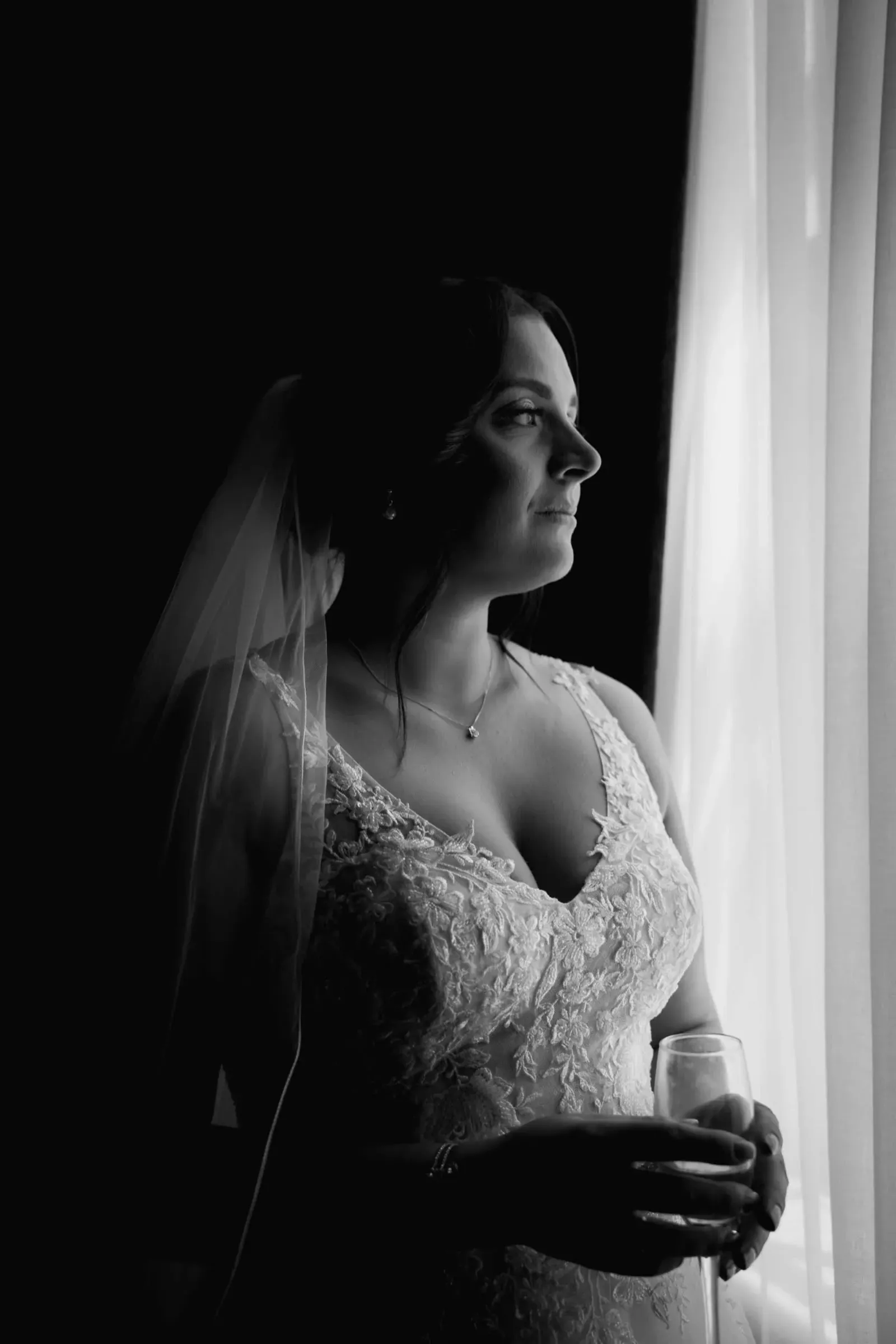
You might be desperate to book your first appointment. Or you might have a folder full of dresses and absolutely no idea where to start. Both are fine. The useful thing to find out first is how much time you actually have, rather than letting someone else’s wedding checklist panic you.
I’m not a bridal stylist, so I’d leave the delivery dates and fitting advice to your boutique and alterations specialist. What I can help with is thinking through the plan, the budget and how you want to feel wearing it on the day.
Start with the date, not the dress countdown
Once your wedding date is confirmed, tell the shops you’re interested in. Ask: “For my wedding date, when would I need to order, and when would the dress arrive?” Those are two different dates, and you need both.
There isn’t one deadline that every shop works to. Catherine Deane’s London boutique guidance, for example, recommends ordering 9–12 months before the wedding for the widest choice. wed2b’s guide suggests starting try-ons 9–12 months ahead, but it sells dresses you can take home the same day.
That’s why I wouldn’t read “buy your dress six months before” and assume it works for every dress. Check the actual shop and designer before you decide to wait. If you’re having something bespoke or want changes to the design, mention those at the start too.
Wedding in six months or less? Make the call.
You haven’t missed your chance to have a dress you love. You might just need a different way of finding it.
Ask about off-the-peg dresses, samples and styles already in stock. wed2b confirms its in-store dresses can be taken home the same day. That is an option to explore, not a promise that a particular dress or size will be available when you visit.
Tell the shop your date before you go. You could say: “I’m getting married on this date, this is my budget, and I need something that can be ready in time. What can I realistically try?” It saves you falling for a dress that cannot arrive until after the honeymoon.
Before buying a sample, ask about its condition and what work it needs. If it needs significant changes, get an alterations specialist’s view before paying. Being able to take a dress home today doesn’t automatically mean it can be made to fit by next Saturday.
Don’t forget the fittings
The dress arriving isn’t necessarily the last job. You may still need the hem adjusted, the fit checked or a way to lift the train for the evening.
For an idea of the time involved, Catherine Deane recommends allowing 8–10 weeks for alterations. The Garment Studio’s bridal FAQ recommends a first fitting about 8–12 weeks before the wedding. Those are their schedules, not a guarantee that every seamstress has space.
Ask your chosen specialist when to contact them, when they need the dress and when you should collect it. If you’re travelling before the wedding, give them your departure date too. A dress ready on Thursday is no use if your flight is on Tuesday.
The Garment Studio also asks brides to bring the exact shoes and underwear they plan to wear. Check what your own fitter needs before the appointment. If you change your shoes afterwards, tell them rather than assuming the hem will still work.
Set a budget for wearing it, not just buying it
Before trying anything on, decide what you’re comfortable spending on the whole outfit. Dress, alterations, shoes, underwear, veil or other accessories, and any extra outfit you actually want. Ask which costs are included and which are separate.
If your total is £1,500, that doesn’t mean the dress itself has to cost £1,500. That is just an example budget, not a claim about what a wedding dress should cost. Get quotes for your own plans and put them in our free wedding budget calculator, so you can see what’s left before you say yes.
Tell the stylist your limit. I’d rather you said it clearly at the start than spent the appointment worrying about the price tag. And if you don’t want a second dress or a veil, you don’t have to buy one.
Take the people who help you hear yourself
My advice would be to take one or two people who make you feel good and can give an honest opinion kindly. Check the shop’s guest limit first.
You don’t need a full room of people voting on what you’re wearing. If you love a dress, give yourself a moment to decide how you feel before asking everyone else. It is your body and your wedding day.
You also don’t have to cry for it to be the right dress. Feeling comfortable, liking what you see and being happy with the cost are perfectly good reasons to choose it. If you’re unsure, ask what time you have to decide. You can enjoy the appointment without treating it as a test you need to pass.
My practical advice: try doing normal things in it
With the stylist’s guidance, sit down. Walk about. Try a hug. Think about getting into your wedding car and sitting through dinner, not just standing still in front of the mirror.
From my side of the camera, I want you to be able to enjoy being with people. You shouldn’t have to spend the whole drinks reception thinking about how to stand. Tell the fitter if something feels uncomfortable, and ask what can realistically be adjusted.
At your final fitting, ask how to get into the dress and how the train fastens up, if it has a bustle. If someone is helping you on the morning, ask whether they can come along to learn. Finding the right loop is a much nicer job when there isn’t a car waiting outside.
And leave proper time to get dressed. I wouldn’t plan to finish makeup, jump into the dress and be out of the door five minutes later. If you want PJ photos with the girls, put those before getting dressed, with a bit of breathing room between them. Our wedding-day timeline will help you make space for that.
Start early enough to have choices, ask the people making and fitting the dress for the real dates, and choose something you want to spend your wedding day in. That matters more than following someone else’s timetable exactly.